
Top 10 Free Advertising Websites for UK Businesses


UK Startup Blog Archive
Table of Contents
The best free advertising websites for UK businesses include Google Business Profile, Bing Places, Apple Business Connect, Yell, FreeIndex, Facebook, LinkedIn, Nextdoor, Gumtree and Yelp.
These platforms can help a business appear in local searches, display contact details, collect reviews, publish updates and connect with potential customers without paying for a basic account or listing. However, some offer optional paid promotions, and free features may vary by business category.
What Are the Best Free Advertising Websites?
The right platform depends on what the business sells and where its customers are located. Local service providers may gain more value from map listings and directories, while online businesses may benefit more from social and professional networks.
| Rank | Advertising website | Best for | Main free opportunity |
| 1 | Google Business Profile | Local businesses | Search and map visibility |
| 2 | Bing Places for Business | Local search exposure | Business listing on Bing |
| 3 | Apple Business Connect | Reaching Apple users | Place card and business details |
| 4 | Yell | UK service businesses | Directory listing |
| 5 | FreeIndex | Trades and professional services | Profile, reviews and enquiries |
| 6 | Most consumer-facing businesses | Business page and organic posts | |
| 7 | B2B companies and consultants | Company page and professional content | |
| 8 | Nextdoor | Neighbourhood businesses | Local business page |
| 9 | Gumtree | Local products and services | Classified advertisements |
| 10 | Yelp | Hospitality and local services | Business profile and reviews |
A free listing should form part of a broader cost-effective online marketing plan rather than being treated as a complete customer acquisition strategy.
1. Google Business Profile
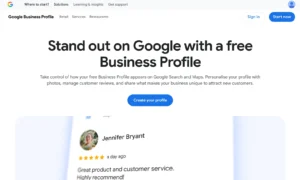
Google Business Profile is usually the most valuable free advertising website for a business serving customers in a particular location. A completed profile may appear in Google Search and Maps when someone searches for a nearby product or service.
The profile can display:
- Business name and category
- Address or service area
- Telephone number
- Opening hours
- Website address
- Products and services
- Photographs
- Customer reviews
- Business updates
Businesses should select the most accurate primary category and complete every relevant section. The company name, address and telephone number should also remain consistent across its website and other directory listings.
Fresh photographs, accurate opening times and helpful responses to reviews can make the profile more appealing. Misleading business names, fake locations and unnecessary keywords should be avoided because they may result in profile restrictions.
Google Business Profile is particularly suitable for shops, restaurants, tradespeople, clinics, agencies and professional service providers.
2. Bing Places for Business
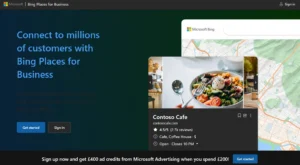
Bing Places for Business allows companies to create a listing that can appear across Bing’s local search results and map services. It is sometimes overlooked, which may give smaller businesses an opportunity to compete for visibility.
A listing can contain contact information, opening hours, business categories, photographs and a website link. Businesses with an existing Google profile may also be able to use the same core information when creating their Bing listing.
Bing Places can be valuable for reaching people who use Windows computers, Microsoft products or Bing as their default search engine. Although its audience may be smaller than Google’s, the listing is free and requires relatively little maintenance.
The business should still check the imported information carefully. Incorrect categories, old opening hours or inconsistent contact details may make the listing less useful.
3. Apple Business Connect
Apple Business Connect enables businesses to control how their information appears within Apple services. It can be particularly useful for reaching customers who use iPhones, iPads and other Apple devices to search for nearby companies.
A business can add or manage:
- Its trading name
- Location and service information
- Opening times
- Contact details
- Website address
- Photographs
- Promotional information
- Calls to action
Apple Business Connect is especially relevant to businesses with a physical location, such as cafés, retailers, salons, hotels and repair services. Service-area businesses should review the available profile options before completing registration.
Keeping the information accurate is important because customers may use the listing for directions, telephone calls or visiting information. It should therefore be updated whenever the business changes its address, opening hours or contact details.
4. Yell
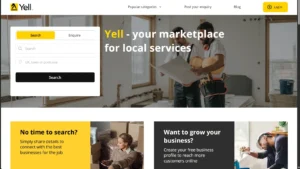
Yell is a recognised UK business directory covering thousands of industries and local service categories. Businesses can create or claim a basic listing so customers can find their contact information when searching for a particular service.
Yell is commonly used for:
- Builders and tradespeople
- Accountants
- Solicitors
- Cleaning companies
- Beauty businesses
- Repair services
- Restaurants and hospitality companies
A complete profile should explain what the business does, where it operates and how customers can make contact. Images, opening hours and service descriptions can make the listing more informative.
Yell also offers paid marketing products, but a business does not need to purchase them simply to maintain a basic presence. Owners should review each option carefully before agreeing to an upgrade.
Companies operating in a competitive sector can also explore how business directories support agencies and other professional firms.
5. FreeIndex
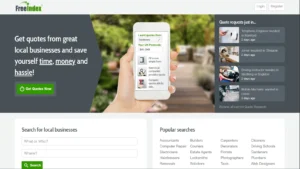
FreeIndex is a UK-focused business directory that is particularly popular with tradespeople, freelancers and service-based companies. A free profile can help a business display its services, coverage area, contact details and customer feedback.
Reviews are an important part of FreeIndex. A business with detailed, genuine reviews may appear more trustworthy than a competitor with an incomplete profile.
To make the listing effective, businesses should:
- Choose the correct service categories
- Write an original business description
- Add recent examples of work
- Request reviews from genuine customers
- Respond professionally to enquiries
- Keep telephone and website details current
The listing should not simply repeat a short sales message. It should answer the questions a potential customer is likely to have, including what the company offers, which areas it covers and what makes its service different.
6. Facebook
A Facebook Business Page provides a free space where a company can publish updates, display contact information and communicate with customers. It is suitable for businesses that can regularly produce useful, interesting or visual content.
Companies can use a page to share:
- New products or services
- Behind-the-scenes photographs
- Customer stories
- Events
- Seasonal announcements
- Special offers
- Answers to common questions
Facebook can work especially well for restaurants, retailers, event companies, local attractions, fitness businesses and home-service providers.
Marketplace and local groups may offer additional visibility, although businesses must follow their rules and avoid repetitive promotional posting.
Creating a page is free, but reaching a large audience through formal Facebook adverts normally requires payment. Organic visibility is more likely when posts encourage genuine comments, shares or conversations.
Businesses should avoid using Facebook as their only online presence. A professional website remains important, particularly when customers want detailed information or need to make an enquiry.
Choosing a suitable website builder for a small business can help create a stronger destination for social media visitors.
7. LinkedIn
LinkedIn is one of the strongest free advertising websites for B2B companies, consultants, recruiters, technology firms and professional service providers. A company page allows a business to present its services, publish updates and build credibility with professional audiences.
The most effective LinkedIn promotion often comes from combining a company page with content published by founders and employees. People are generally more willing to interact with useful personal insights than with repeated corporate sales messages.
Suitable content includes:
- Industry observations
- Practical business advice
- Project results
- Company milestones
- Recruitment updates
- Event commentary
- Short case studies
Businesses should focus on demonstrating knowledge rather than making every post promotional. Helpful content can start conversations, attract profile visits and create opportunities for partnerships or sales.
A regular posting schedule is useful, but quality matters more than posting every day. The company should select themes that support its wider marketing objectives.
8. Nextdoor
Nextdoor is designed around neighbourhood communities, making it useful for businesses that depend on customers within a particular area. Eligible companies can claim or create a free business page and build a local reputation.
The platform may be suitable for:
- Gardeners
- Cleaners
- Dog walkers
- Childcare providers
- Local shops
- Cafés
- Decorators
- Plumbers
- Electricians
- Personal tutors
Recommendations from local customers can be particularly influential because they resemble digital word-of-mouth referrals. Businesses should therefore encourage satisfied customers to recommend them honestly.
A Nextdoor profile should clearly state the areas served and provide accurate contact details. Promotional posts must remain useful to the community and comply with the platform’s rules. Paid advertising is available, but creating a basic business presence does not necessarily require an advertising budget.
9. Gumtree
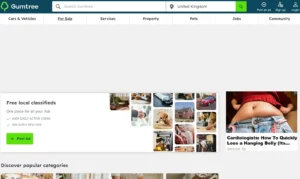
Gumtree is a classified advertising website used across the UK for products, services, jobs, property and local opportunities. It may help small businesses reach customers who are already searching within a specific category or location.
A strong Gumtree advertisement should include:
- A direct and descriptive title
- The area covered
- A clear explanation of the offer
- Genuine photographs
- Transparent pricing where possible
- A simple way to make contact
- Important terms or limitations
Service businesses should explain their experience and the types of work they accept. Product sellers should describe the item accurately and avoid stock photographs where genuine images are available.
Free posting availability can depend on the category, location and type of seller. Some business categories, upgrades and higher-volume advertising options may carry a fee. Companies should check the applicable terms before publishing.
10. Yelp

Yelp enables businesses to claim a profile, correct their information, add photographs and engage with customer reviews. It is most relevant to hospitality, leisure, retail and consumer-facing local services.
A Yelp profile can help customers compare nearby businesses based on location, photographs, service information and feedback. Owners should confirm that the correct listing has been claimed before creating a duplicate profile.
Reviews should be answered calmly and professionally. A thoughtful response to criticism can demonstrate that the business takes customer service seriously. Businesses should never create fake reviews or pressure customers to write misleading feedback.
Yelp offers paid advertising products, but claiming and maintaining a standard business profile can still provide free exposure.
How Should a Business Choose the Right Advertising Websites?
A company does not need to use every platform. It should prioritise the websites most closely matched to its audience and available marketing resources.
A local tradesperson might begin with Google Business Profile, Bing Places, Yell, FreeIndex and Nextdoor. A B2B consultant may gain more from Google Business Profile and LinkedIn. A retailer could focus on Google, Apple, Facebook and Gumtree.
Before selecting a platform, the business should consider:
- Where its customers search
- Whether it sells locally or nationally
- How often it can publish content
- Whether reviews influence purchase decisions
- What information customers need before enquiring
- How enquiries and results will be measured
These choices should also reflect the different types of online advertising available to the business.
How Can Free Listings Produce Better Results?
Simply creating a profile is rarely enough. Each listing should be treated as a small landing page designed to help a potential customer understand and trust the business.
Keep Business Information Consistent
The company’s name, address, telephone number and website should be written consistently across every profile. Conflicting details can confuse customers and weaken the reliability of the listings.
Use Original Descriptions
Copying the same generic paragraph onto every website may make the profiles less engaging. Each description should be adapted to the platform while retaining the same essential facts.
Add High-Quality Images
Businesses should use clear photographs of their premises, team, products or completed work. Images must accurately represent the company rather than creating unrealistic expectations.
Request Genuine Reviews
Positive reviews can build confidence, particularly for an unfamiliar local business. Customers can be invited to leave feedback, but they should not be rewarded for writing only positive comments.
Publish Regular Updates
Profiles offering posts or updates should not be abandoned. New services, changed opening times, completed projects and seasonal announcements can keep the information useful.
Track Enquiries
Businesses should ask new customers how they found the company. Website analytics, telephone records, enquiry forms and platform insights can help identify which free advertising sites deliver worthwhile results.
Regularly reviewing this information also makes it easier to measure brand awareness and improve future campaigns.
What Mistakes Should Businesses Avoid?
Free advertising can still consume time and damage a company’s reputation if it is handled poorly. Common mistakes include:
- Creating duplicate business profiles
- Selecting irrelevant categories
- Publishing inaccurate opening hours
- Stuffing descriptions with keywords
- Ignoring questions and reviews
- Posting the same promotion repeatedly
- Using low-quality or misleading photographs
- Leaving old telephone numbers online
- Paying for upgrades without measuring results
- Depending entirely on one platform
Every profile should be checked periodically. If a platform no longer generates visibility or enquiries, the business can reduce the time spent on it and concentrate on better-performing channels.
Are Free Advertising Websites Really Free?
Most platforms on this list allow a business to create a basic profile, page or listing without paying. However, “free advertising” does not always mean that every feature is free.
Some websites charge for:
- Featured positions
- Sponsored posts
- Additional categories
- Lead access
- Premium profile features
- Higher listing volumes
- Professional advertising campaigns
A business should confirm what is included before submitting payment details or accepting a promotional offer. Free listings can still be valuable, but optional upgrades should only be considered when the potential return can be measured.
How Can Free Advertising Support Business Growth?
Free advertising websites can provide early visibility while a startup builds its customer base and marketing budget. They can also support local search visibility, strengthen credibility and give customers more ways to contact the business.
The strongest results usually come from combining directory listings with a good website, useful content, customer reviews and consistent follow-up. Suitable marketing tools for startups can help manage content, monitor performance and organise new leads.
As enquiries begin to arrive, a clear customer relationship management strategy can help the business follow up with prospects and turn first-time buyers into returning customers.
Conclusion
Free advertising websites give UK startups and small businesses a practical way to increase visibility without committing to a large marketing budget.
Google Business Profile is the strongest general starting point, while Yell FreeIndex and Nextdoor can support local service businesses.
LinkedIn is better suited to professional and B2B promotion, while Facebook and Gumtree can help consumer-facing companies reach broader or more local audiences.
The key is to choose relevant platforms, complete every profile accurately and measure the enquiries produced. A small number of well-maintained listings will usually be more valuable than dozens of neglected profiles.
Frequently Asked Questions
Which website is best for free business advertising?
Google Business Profile is generally the best starting point for a UK business serving local customers because it can provide visibility in search results and maps. However, the best option depends on the company’s industry and audience.
Can a business advertise online without paying?
Yes. A company can create business profiles, publish organic social media content, use selected classified listings and participate in relevant local communities without paying for formal adverts.
Are free advertising websites suitable for startups?
Yes. They are particularly useful for startups with limited marketing budgets. They allow a new business to test its message, collect feedback and discover which channels attract potential customers.
Do free business listings help with local SEO?
Accurate business listings can support local visibility by making a company’s location, services and contact information easier to find. Consistency across listings is particularly important.
How many advertising websites should a business use?
A small business should begin with three to five relevant platforms that it can maintain properly. It can add more after identifying which websites generate useful traffic, calls and enquiries.
Should businesses pay for premium listings?
A premium listing should only be considered when the free version already produces relevant visibility or when the business can track the results. Paid placement does not automatically guarantee profitable enquiries.

Blogger & Content creator | An insightful writer sharing practical advice for UK entrepreneurs
Related Articles in Marketing
View All →
How Headwear Can Shape Your Startup’s Identity? – The Power of Customisation:
Building a recognisable brand when you’re just starting out is genuinely hard. There’s noise everywhere, budgets are tight, and you need every penny to work as hard as possible. That’s…

Why Outsourced Lead Generation Delivers Better ROI?
In the competitive landscape of the UK business market, the pressure to maintain a healthy sales pipeline is constant. Many organisations struggle to balance the demands of product…

Single-Use Card Numbers for Campaign Spending: Benefits & Best Practices
Single-use card numbers reduce fraud risk, simplify reconciliation, and help teams control campaign budgets. Here’s how to use them correctly. Campaign spending is messy by default. You’ve got…