
Public Liability Insurance for Small Business: 2026 UK Guide

UK Startup Blog Archive
Table of Contents
Public liability insurance for small businesses protects UK companies against compensation claims and legal costs if a customer, client, or member of the public suffers injury or property damage because of business activities.
Although it is not legally required in the UK, many small businesses choose this cover to avoid significant financial losses from unexpected claims.
From tradespeople and shop owners to freelancers and cafés, public liability insurance provides essential protection and helps businesses appear more professional and trustworthy when working with clients, suppliers, and the public in 2026.
Key Takeaways:
| Key Point | Details |
| Public liability insurance is optional | UK law does not require it, but many clients do |
| Covers third-party claims | Includes injuries and accidental property damage |
| Average cost is affordable | Many small businesses pay around £100–£300 annually |
| Important for customer-facing businesses | Especially useful for tradespeople, cafés, retailers, and freelancers |
| Helps protect business finances | Covers legal fees and compensation expenses |
| Different cover levels are available | Common limits include £1m, £2m, £5m, and £10m |
What Is Public Liability Insurance for Small Businesses?

Public liability insurance is a type of business insurance that protects companies if a member of the public makes a claim against them for injury or property damage. Small businesses often deal directly with customers, suppliers, or clients, which means accidents can happen unexpectedly.
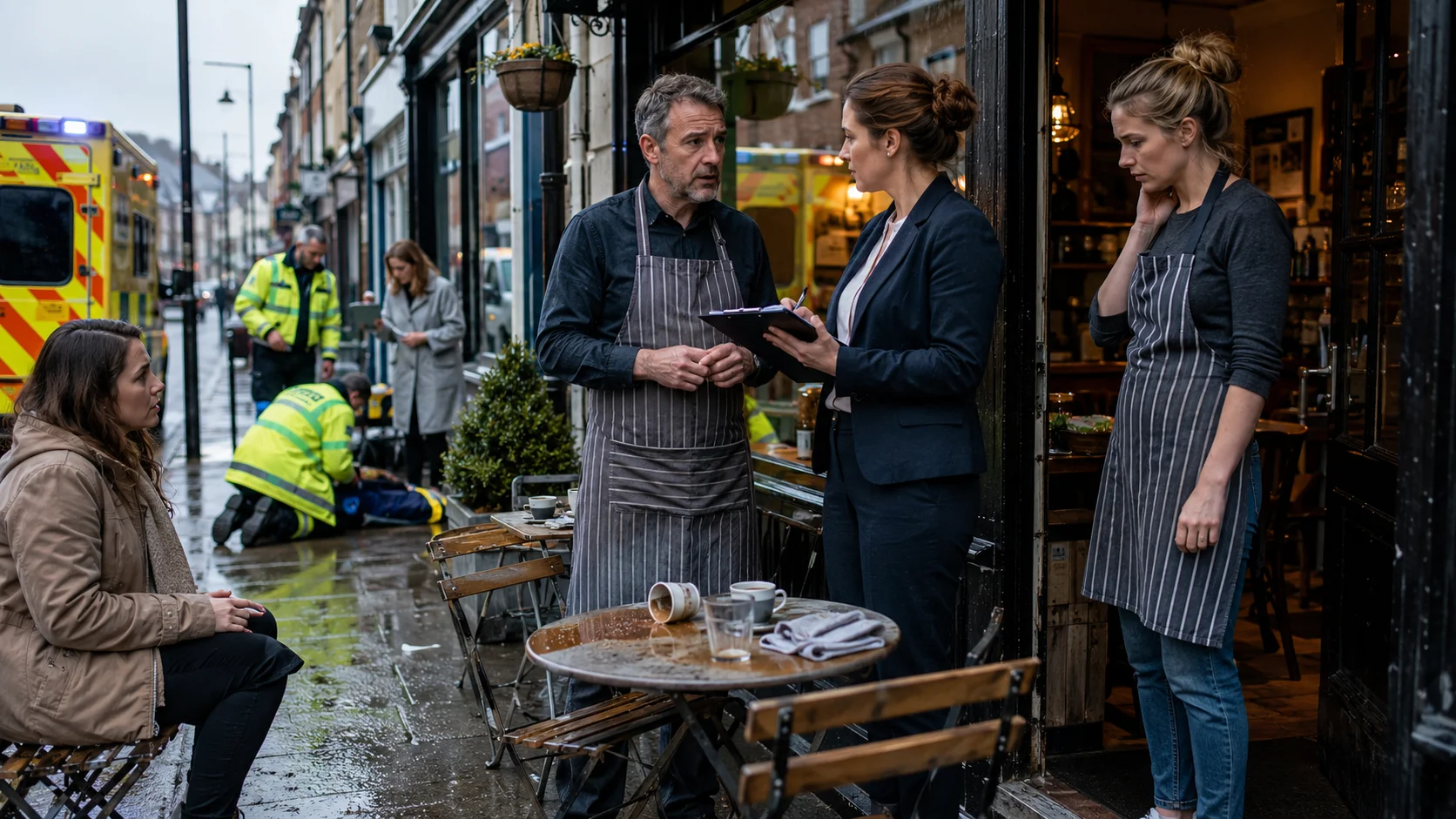
For example, a customer may slip on a wet floor in a café, or a contractor may accidentally damage a client’s property while working on-site. Without insurance, the business owner may need to pay compensation, legal expenses, and repair costs personally.
Is Product Liability Included?
While Public Liability covers your business actions, many UK small business policies automatically include Product Liability. This is crucial if you sell, supply, or repair physical items.
While Public Liability covers a customer tripping over your toolbox, Product Liability covers them if a toaster you repaired later catches fire and damages their home.
Understanding Public Liability Cover
Public liability insurance mainly focuses on third-party incidents. A third party refers to anyone outside the business, such as customers, visitors, suppliers, or members of the public.
Most policies can cover:
- Compensation claims
- Legal defence costs
- Medical expenses
- Property repair or replacement costs
- Accidental injuries involving the public
The level of protection depends on the policy and insurer. Businesses can normally choose coverage limits based on their industry and risk level.
How Public Liability Insurance Works in the UK?
When an accident occurs, the injured party may file a claim against the business. The insurer then investigates the claim and, if it falls within the policy terms, helps cover associated costs.
Public liability insurance is especially important for businesses that:
- Interact with customers regularly
- Visit client premises
- Work at public events
- Operate from physical locations
- Use equipment near the public
David Mercer, Commercial Insurance Consultant: “Many small business owners underestimate how expensive even minor public liability claims can become. Legal fees alone are often enough to create financial pressure for smaller companies.”
Why Is Public Liability Insurance Important for UK Small Businesses in 2026?
Small businesses in the UK continue to face growing risks from compensation claims, legal disputes, and increasing public expectations around safety standards. Even a simple accident can lead to thousands of pounds in expenses.
In 2026, businesses are also operating in a more legally aware environment where customers are more likely to pursue compensation after injuries or damages occur.
Rising Compensation Claims in the UK
Compensation claims involving slips, trips, falls, and accidental property damage remain common across many industries. Legal costs and settlement amounts have also increased over recent years.
A single claim may involve:
| Potential Claim Cost | Estimated Expense |
| Legal representation | £2,000–£20,000+ |
| Medical compensation | £1,000–£50,000+ |
| Property repairs | £500–£10,000+ |
| Court fees | Varies by case |
For many small businesses, paying these costs without insurance could seriously impact operations or profitability.
Financial Risks of Operating Without Insurance
Businesses without public liability cover are personally responsible for claims made against them. This can create severe financial strain, particularly for sole traders and startups with limited resources.
Beyond financial losses, businesses may also experience:
- Damage to reputation
- Loss of customer trust
- Contract cancellations
- Difficulty securing future clients
Public liability insurance provides reassurance that unexpected incidents can be handled professionally and financially.
Which Small Businesses Need Public Liability Insurance?
Although public liability insurance is not legally mandatory, it is highly recommended for businesses that interact with customers, clients, or the public.
Sole Traders and Freelancers
Sole traders often believe they are less exposed to risk because they operate independently. However, even freelancers can face claims if clients suffer injury or property damage linked to their work.
Examples include:
- A photographer damaging venue property
- A consultant causing accidental damage at a client office
- A mobile beautician injuring a customer during treatment
Many freelance contracts now also request proof of insurance before work begins.
- Freelance Consultants: If you visit a client’s office and accidentally spill coffee over their server rack, causing data loss and hardware damage, your policy covers the replacement costs.
- Hairdressers & Beauticians: Beyond slips and trips, your cover protects you if a customer has an adverse reaction to a product or is accidentally injured during a treatment.
- Dog Walkers: In 2026, specialized policies often cover “care, custody, and control” protecting you if a dog in your charge causes an accident or is injured while under your care.
Shops, Cafés, and Restaurants
Retail and hospitality businesses deal directly with the public every day, increasing the likelihood of accidents.
Common risks include:
- Wet floors are causing slips
- Hot food or drinks causing burns
- Falling objects injuring customers
- Damage to customer belongings
These businesses often require higher levels of cover because of frequent customer interaction.
Builders and Tradespeople
Builders, electricians, plumbers, and contractors face some of the highest public liability risks due to physical work environments and equipment usage.
Typical risks include:
| Trade Risk | Example |
| Property damage | Breaking tiles or fixtures during work |
| Public injury | Tools causing accidents |
| Site hazards | Loose cables or debris causing falls |
| Structural damage | Mistakes affecting buildings |
Many construction sites and contractors require proof of public liability insurance before allowing work to begin.
What Does Public Liability Insurance Cover?
Public liability insurance helps businesses manage the financial consequences of accidents involving third parties.
Third-Party Injury Claims
If a customer or member of the public suffers an injury connected to business activities, the policy may cover compensation and legal fees.
Examples include:
- Customers slipping on wet floors
- Visitors tripping over equipment
- Injuries caused by falling stock or tools
These incidents can happen unexpectedly and often result in costly claims.
Accidental Property Damage
Businesses can accidentally damage client or public property while delivering services or operating equipment.
Examples may include:
- Damaging a customer’s flooring
- Breaking office equipment
- Causing damage during deliveries
Insurance can help pay for repairs or replacements where the business is legally liable.
Legal Defence Costs
Even if a business disputes a claim, legal defence costs can still be expensive. Public liability insurance often includes solicitor fees, court expenses, and investigation costs.
This support can be especially valuable for smaller companies with limited financial resources.
Emma Richardson, SME Risk Adviser: “A large percentage of claims are not intentional negligence. They are everyday accidents that happen during normal business operations, which is why insurance plays such a critical role.”
What Is Not Covered by Public Liability Insurance?

Public liability insurance offers valuable protection for UK small businesses, but it does not cover every type of claim. Understanding policy exclusions is important because many business owners mistakenly assume all risks are automatically included within a standard policy. Knowing what is excluded can help businesses avoid gaps in protection and choose additional insurance where necessary.
Employee Injuries
Public liability insurance does not normally cover injuries suffered by employees while carrying out their work duties. Instead, these claims are usually handled under Employers’ Liability Insurance, which is a legal requirement for most UK businesses that employ staff.
For example, if an employee slips in a workplace kitchen or suffers an injury while using company equipment, public liability insurance would not provide cover.
Employers’ liability insurance is specifically designed to handle compensation claims involving workplace accidents, illnesses, or injuries affecting staff members.
Businesses without the correct employers’ liability cover could face substantial fines alongside compensation costs, making it essential for companies with employees to have the appropriate protection in place.
Professional Negligence Claims
Public liability insurance also excludes claims related to professional mistakes, advice, or specialist services provided by a business. These situations are generally covered by Professional Indemnity Insurance instead.
Professional negligence claims may involve:
| Type of Issue | Example |
| Incorrect advice | Financial or legal guidance leading to losses |
| Design mistakes | Architectural or graphic design errors |
| Consultancy failures | Business recommendations causing financial damage |
| Data or technical issues | IT advice resulting in operational disruption |
Businesses that provide professional services, consultancy, or technical expertise often require both public liability insurance and professional indemnity insurance to achieve broader protection against different forms of risk.
How Much Does Public Liability Insurance Cost for Small Businesses in the UK?
The cost of public liability insurance for small businesses in the UK depends on several important factors, including the industry, level of risk, annual turnover, number of employees, and selected coverage limits.
While many policies remain affordable, businesses operating in higher-risk sectors generally pay more due to the increased likelihood of claims.
Insurance providers assess each business individually before calculating premiums, meaning no two policies are exactly the same.
Average Public Liability Insurance Premiums
For many small businesses, public liability insurance can be relatively inexpensive compared to the financial risks associated with compensation claims.
Lower-risk professions, such as consultants or freelancers, usually pay less than builders or contractors who regularly work on-site or use heavy equipment.
The table below provides a general estimate of annual public liability insurance costs in the UK:
| Business Type | Estimated Annual Premium |
| Freelancer | £60–£150 |
| Consultant | £70–£200 |
| Café or retail shop | £120–£400 |
| Builder or contractor | £250–£1,500 |
Why Do Prices Vary?
Your premium isn’t just based on your industry; insurers look at specific “Risk Drivers”:
- Business Turnover: High-revenue businesses often face higher premiums as they typically have more customer interactions.
- The ‘Excess’: This is the amount you agree to pay toward a claim. Choosing a higher voluntary excess can lower your annual premium, but ensure your business can afford the out-of-pocket cost if a claim occurs.
- Number of Employees: Even if you only have one part-time staff member, the increased scale of your operations can affect your public liability risk profile.
These prices can vary depending on factors such as claims history, business size, turnover, and chosen coverage level.
Industry Requirements and Contract Obligations
Certain industries require businesses to hold larger levels of public liability cover due to increased operational risks or contractual requirements.
Construction companies, event organisers, and public sector contractors are commonly expected to hold higher coverage limits before being allowed to begin work.
Common public liability cover levels include:
- £1 million
- £2 million
- £5 million
- £10 million
Public sector projects and larger commercial contracts frequently request at least £5 million in cover as part of their supplier requirements. Businesses working with councils, landlords, or major organisations may struggle to secure contracts without sufficient insurance protection.
Is Public Liability Insurance a Legal Requirement in the UK?

Public liability insurance is not legally mandatory for most businesses in the UK. However, despite the lack of legal obligation, many small businesses still consider it an essential form of financial protection due to the potentially high cost of compensation claims and legal disputes.
For companies that regularly interact with customers, suppliers, or members of the public, operating without insurance can create significant financial exposure.
Public Liability vs Employers’ Liability Insurance
Although the two policies sound similar, they protect against very different risks.
| Insurance Type | Who/What it Protects | Is it Mandatory? |
| Public Liability | Members of the public, customers, and their property | No, but often contractually required |
| Employers’ Liability | Your employees, including temporary staff and some volunteers | Yes, by law for most businesses with staff |
| Professional Indemnity | Protection against claims of professional errors or bad advice | No, but essential for consultants and accountants |
Businesses with employees are generally required by law to hold employers’ liability insurance, while public liability insurance remains optional but highly recommended for customer-facing operations.
How Can Small Businesses Choose the Right Public Liability Insurance Provider?
Selecting the right public liability insurance provider is an important decision for any small business. Policies can vary widely between insurers in terms of pricing, coverage limits, exclusions, and claims handling processes.
Choosing a policy based solely on the cheapest premium may not always provide the best level of protection.
Comparing UK Insurance Providers
Before purchasing insurance, businesses should compare multiple providers carefully to identify the most suitable option for their industry and operational risks.
Important areas to compare include:
| Comparison Area | Why It Matters |
| Coverage limits | Determines maximum payout amounts |
| Policy exclusions | Identifies situations not covered |
| Claims handling | Impacts support during disputes |
| Industry expertise | Helps ensure relevant protection |
| Customer reviews | Indicates reliability and service quality |
Some insurers specialise in particular industries such as construction, hospitality, or freelance services, which can provide more tailored protection.
How Can Small Businesses Reduce Public Liability Risks?
Reducing public liability risks is an important part of running a responsible business. While insurance provides financial protection, preventing accidents from happening in the first place is equally valuable.
Businesses that actively manage risks may also benefit from lower insurance premiums over time.
Workplace Safety Measures
Maintaining safe business premises and working environments can significantly reduce the likelihood of accidents involving customers, visitors, or suppliers.
Effective safety measures may include:
- Keeping floors and walkways clear
- Displaying warning signs where hazards exist
- Performing regular equipment inspections
- Following health and safety regulations
- Addressing maintenance issues quickly
Simple preventative actions can greatly reduce the chances of injury claims or accidental property damage.
Staff Training and Risk Assessments
Employee awareness plays a major role in preventing accidents. Businesses should ensure staff understand safety procedures and know how to identify potential hazards before incidents occur.
Regular risk management practices should include:
- Conducting workplace risk assessments
- Providing ongoing safety training
- Recording accidents and near misses
- Reviewing operational safety procedures
These practices not only improve workplace safety but may also strengthen a business’s position if an insurance claim is investigated later.
How Can UK Small Businesses Apply for Public Liability Insurance?
Applying for public liability insurance in the UK is usually a straightforward process, with many insurers offering online quotes and flexible policy options designed specifically for small businesses.
Businesses should compare policies carefully to ensure the chosen cover reflects their operational risks and industry requirements.
Information Needed for a Quote
Insurers typically request several details before providing a quote. Accurate information is important because incorrect or incomplete details could affect future claims.
Businesses are commonly asked to provide:
- Business type and services offered
- Annual turnover
- Number of employees
- Previous claims history
- Estimated business activities
- Desired level of cover
The insurer uses this information to assess the level of risk associated with the business.
Buying Insurance Online vs Through Brokers
Small businesses can purchase public liability insurance directly online or through specialist insurance brokers.
Online insurance providers often offer:
- Faster quotes
- Lower pricing
- Simple application processes
Meanwhile, insurance brokers may provide:
- Personalised advice
- Access to specialist insurers
- Support with complex business risks
- Assistance during claims
Businesses operating in high-risk industries or handling large contracts may benefit from professional broker support when selecting suitable coverage.
Conclusion
Public liability insurance for small business remains one of the most valuable forms of protection for UK companies in 2026. Although it is not legally required, the financial risks associated with public injury or property damage claims can be significant.
From sole traders and cafés to builders and freelancers, businesses that interact with the public can benefit from suitable coverage. Choosing the right policy helps protect finances, improve professional credibility, and provide reassurance when dealing with clients and customers.
As compensation claims continue to rise, public liability insurance remains an important consideration for businesses of every size.
FAQ
Does public liability insurance cover online businesses?
Yes, online businesses can still benefit from public liability insurance if they interact with clients, attend events, or work from shared premises. It may also help cover incidents involving visitors or business activities outside the digital environment.
Can a sole trader get public liability insurance in the UK?
Yes, sole traders can easily purchase public liability insurance in the UK. Many insurers offer affordable policies specifically designed for freelancers and self-employed professionals.
Is public liability insurance tax deductible for small businesses?
In many cases, public liability insurance premiums are considered a legitimate business expense and may be tax deductible. Businesses should always confirm this with an accountant or tax adviser.
Can public liability insurance cover subcontractors?
Some policies may include subcontractors, but coverage varies between insurers. Businesses should check policy wording carefully to ensure subcontractors are properly protected if required.
How quickly can a public liability insurance claim be processed?
Claim times depend on the complexity of the case and available evidence. Minor claims may settle within weeks, while larger disputes involving investigations or legal action can take several months.
Does public liability insurance cover accidental damage to rented premises?
Some public liability policies may include accidental damage to rented or temporary premises. However, coverage limits and exclusions differ, so businesses should review policy details carefully.
What happens if a small business operates without public liability insurance?
Without insurance, the business owner may need to personally pay legal costs, compensation claims, and repair expenses. This can create serious financial pressure, especially for smaller businesses.

Blogger | Business Writer | Sharing startup advice on UK business blogs
Related Articles in Finance
View All →
If I Take Home £1,600 a Month, What Is My Salary in the UK?
If an employee takes home £1,600 per month in the UK, their estimated gross salary is approximately £21,780 per year. This is equal to about £1,815 per month…

Why the Two Year Accounts Rule is Not Actually a Rule?
Ask most new business owners when they can first apply for a mortgage and the answer comes back the same way every time: two years of accounts, minimum,…

Snap-on Franchise Cost: Fees, Investment and Earnings
The Snap-on franchise cost in the UK is currently quoted at £166,597 to £168,487 for the franchise investment, with Snap-on stating that a new franchisee may need to…